
WORKROOM RAVNE NA KOROŠKEM
ALL HANDS NEEDED FOR TRANSITION. AND ALL FUNDS.
Challenges and Imperatives
Like many small towns in transition Ravne na Koroškem still has to find its way forward. The municipality of 11.000 people is embedded in Northern Slovenia’s rich nature and beautiful mountain landscape of Koroška. At the same time, the heart of town is occupied by the large steel factory, the legacy of over 300 years of ironmaking. Quality sports and cultural facilities in the city had been developed with support of this “mother factory”. While these facilities today could appeal to many tourists, the small city is struggling to offer adequate accommodation. Steel industry is still strong, producing highest quality steel for the global market and offering a significant share of jobs in the region, but also leaving some of its older buildings empty. There is a lack of funds and municipal staff to truly tackle the city’s transition to a greener future, even if attempts have been made.The devastating flood in 2023 hit Ravne harder than many other areas. Now the heritage of an exploitive century appears as if under a magnifying glass: consequences of past land-use, dangers of pollution, extractive agriculture. How can urban planning be rethought and where can the town find the means for transition?
The Path Forward
Faced with powerful storms and floods, we know that what may have worked in the past will not necessarily work tomorrow. The climate challenge is too urgent to ignore and too big to address with existing methods only. It is especially important to approach new ways of green and just finance. Projects with transitional ambition often acquire initial public funding, but need to be taken over as alternative, “new normal” business-cases afterwards. This means to involve private sources as well as institutional and public funds. It also requires to look for methods, schemes and strategies to mix and mutually leverage different financial contributions. In the workroom these issues are questioned, reflected and build upon for the benefit of a common idea what could work.
Facing Ravne na Koroškem
The town has many assets: its cultural and industrial heritage, strong local identity and the potential for self-supply or self-sufficiency within regional frameworks. In addition, there is an unlocked potential for responsible tourism and business. The spirit is there – but it is challenged by the rough realities on the ground. Rebuilding the area has to involve a large number of stakeholders – also financially. Small projects starting now, such as the revitalization of the Old Ironworks, can showcase financial instruments and strategies to be upscaled at a later stage. They can demonstrate potentials to support investment in sustainable infrastructure and exemplify mixed funding and/or novel multi-stakeholder co-operations.
Outcomes
The report from the workroom can be used as a reference for innovative finance supporting, advancing and propelling sustainable infrastructure and building in your context. Sharing best practice we learn and understand together, how these approaches can be achieved by bringing different stakeholders on the table, learning each other’s language and facilitating an understanding of shared benefits.
THIS WORKROOM IS LED BY

MATEJA SOFTIĆ
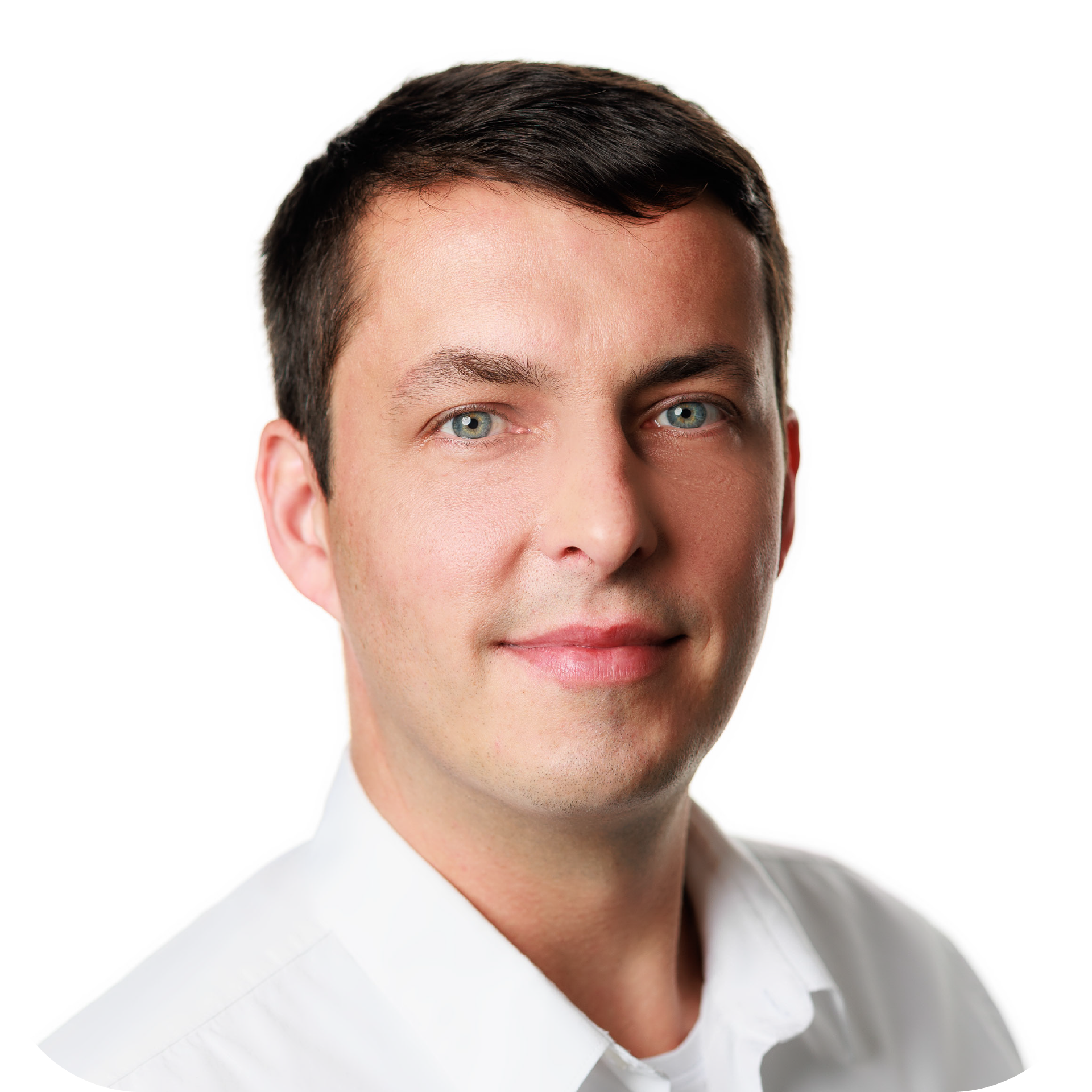
ZDRAVKO KOZINC

ANDREJ ERJAVEC

VLASTA KUPLJEN



The DANUBE FUTURE WORKS Conference is supported by the Baden Württemberg Stiftung and more.