WORKROOM BEOGRAD
MANAGING SUSTAINABLE EMERGENCY
Challenges and Imperatives
Beyond the physical flow that spans diverse geographies and histories of Central and Southeast Europe, the Danube River also bridges two distinct governing systems - theregulated system prevalent in Central Europe and the emergency system characteristic of Southeast Europe. The latter grapples with the perpetual state of emergency due to the economic lag, ubiquitous political turmoil, and social instability. Conventional governance models of the regulated system struggle to manage these persistent crises. Instead of controlling emergencies, they boost irregular growth. Moreover, imported regulations often serve as legal shortcuts for the opportunistic individuals who use them for personal benefits at the expense of public assets. To combat corruption and foster sustainable development, governance of emergency systems must reimagine public policy. The approach would diverge from the regulated systems’ norms and addresses. It would be tailored to address the unique challenges posed by perpetual emergencies: unforeseen resolutions to unexpected public threats and opportunities that require immediate governing reactions. How can this be done?
The Path Forward
The development of public policy for emergency systems refers on one side, to the complexity theory and scientifical studies that explore emergent patterns and self-organisations. On the other, it can build on the insights and practical experiences of self-organized agencies who take care about public resources. Three self-organized agencies from Belgrade will share such knowledge. All of them dedicate their work in the intertwined public fields such as cultural production (Mikser), primary education (Skograd), and co-housing (Center for New Housing Cooperatives). In the workroom these practices are questioned, reflected and build upon for the benefit of a larger common whole.
Facing Belgrade
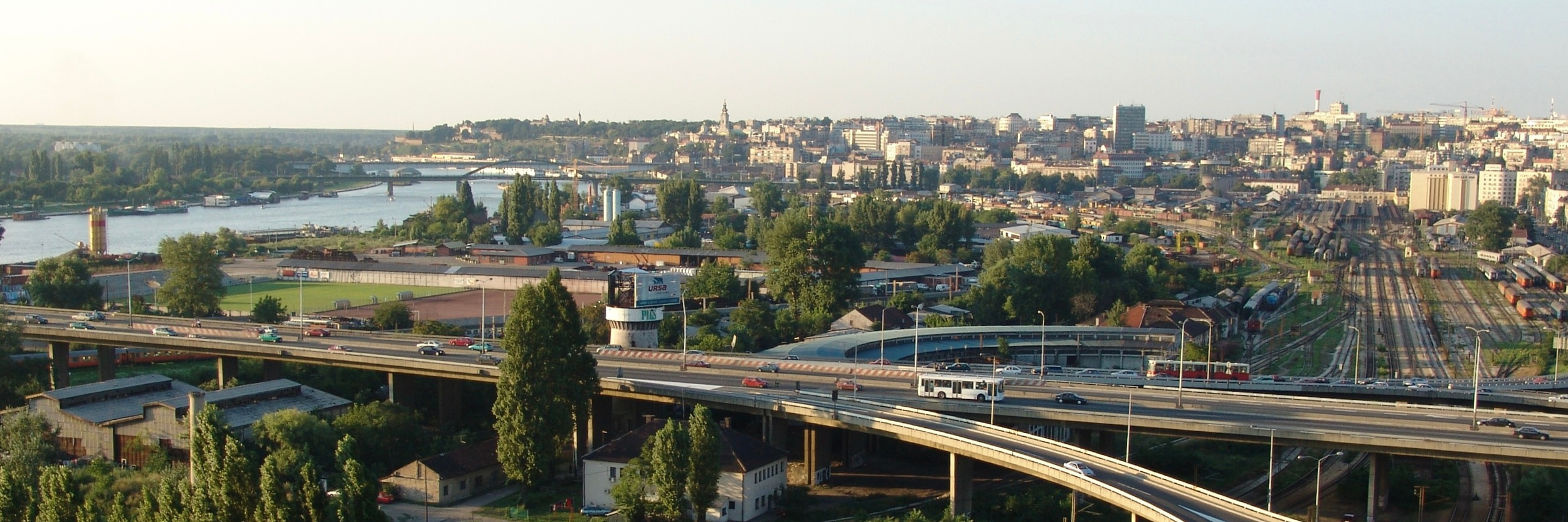
The urban history of Belgrade is the history of perpetual emergencies. The city that was ruined forty times during wars has grown out of control in short peaceful periods. Despite following the most advanced models of the time, development plans that were carried outduring these periods were never fully realized. Instead, they left series of unregulated voids that served as fertilizer for the next rounds of emergent development. An alternative model for Belgrade’s sustainable development is emerging in agile, adaptive, and open-ended practices of self-organized agencies. Upscaling of this model to the institutional public policy in the future requests the infrastructure for collaboration among many non-institutional organisations and official institutions.
Outcomes
The report from the workroom can be used as a reference for embracing strategies of self-organized agencies in your context and for redefining public policy that navigates complexities of Southeast Europe’s perpetual emergencies and Central Europe’s converging crisis. Together, we seek innovative solutions that transcend conventional boundaries and strengthen our shared resources.
THIS WORKROOM IS LED BY

IVAN KUCINA
ANA DŽOKIĆ

MAJA LALIĆ

PREDRAG MILIĆ

MARC NEELEN






The DANUBE FUTURE WORKS Conference is supported by the Baden Württemberg Stiftung and more.